
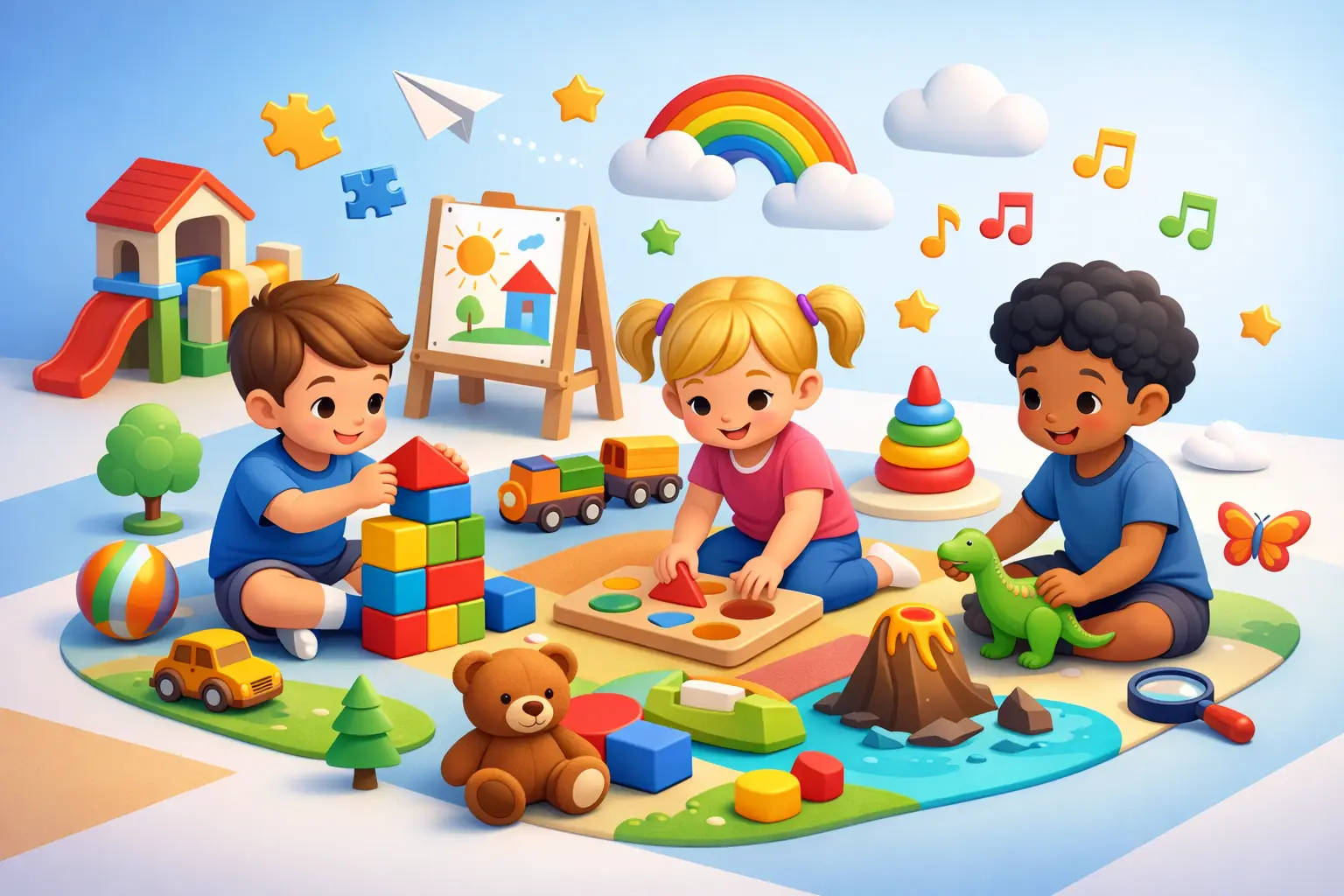
A toddler carefully pouring water between cups, a baby reaching for a textured ball, and a preschooler inviting a friend into a pretend café may look like simple moments of fun. Yet these are meaningful learning experiences. The play based learning benefits children gain in their earliest years reach far beyond keeping them happily occupied. Through thoughtful, educator-guided play, young children practice the skills that support confidence, communication, friendships, and a positive start to school.
For parents, play-based learning can offer a reassuring balance. Children are free to be curious and joyful, while their days still have purpose, routine, and age-appropriate developmental goals.
What Play-Based Learning Really Means
Play-based learning is not unstructured free time without guidance. It is a carefully prepared approach where children learn through hands-on experiences, movement, conversation, discovery, and imagination. Educators observe what children are interested in, provide safe materials and gentle support, and extend learning with the right questions and activities.
A child building a tower is developing more than hand strength. They are experimenting with balance, solving a problem when the blocks fall, and learning persistence as they try again. When children sing together, they listen, remember words, take turns, and begin to notice rhythm and sound. These everyday moments make learning feel natural because it is connected to what young children already love to do.
The right balance matters. Younger babies need warm, responsive care and sensory exploration. Toddlers benefit from opportunities to move, choose, imitate, and use new words. Preschoolers can take on longer projects, cooperate with friends, and explore early literacy and number ideas through play. As children grow, educators can add more structure while keeping learning active and enjoyable.
Play Based Learning Benefits for Development
Early childhood is a period of remarkable growth. Children learn with their whole bodies and through close relationships with caring adults. Play brings these areas together rather than treating them as separate lessons.
Communication grows through real interaction
Language develops when children have something meaningful to say. During pretend play, a child may explain that the teddy is sick, ask for a spoon in the play kitchen, or tell a friend which role they would like. Educators can build on these moments by naming objects, introducing new vocabulary, listening carefully, and encouraging children to share their ideas.
For babies, communication begins with eye contact, sounds, gestures, songs, and responsive conversation. A caring adult who talks through daily routines helps a child connect words with actions and feelings. This steady exchange supports both early language and emotional security.
Social and emotional skills become part of the day
Young children are still learning how to wait, share space, cope with disappointment, and express big feelings. Play provides regular, manageable chances to practice. A child who wants the same toy as a friend can learn to ask, wait for a turn, or choose another activity with support from an educator.
Group play also helps children feel that they belong. Singing together, working on a shared picture, or pretending to run a shop encourages children to notice one another’s ideas. These small experiences help build empathy, cooperation, and confidence around peers.
Children do not learn these skills perfectly every day, and that is expected. A nurturing classroom gives them time to try again in a safe environment, with adults who guide rather than shame.
Physical development is active and purposeful
Young children need opportunities to move. Climbing, crawling, dancing, balancing, pushing, carrying, and playing outdoors develop coordination, strength, and body awareness. Physical play can also help children release energy, settle into routines, and feel more comfortable in their growing bodies.
Fine-motor development happens in quieter ways too. Picking up small objects, turning pages, threading large beads, using crayons, and shaping dough strengthen the hands and fingers needed later for dressing, feeding themselves, and early writing. The activity should always suit the child’s age and stage. A baby needs safe grasping and reaching experiences, while an older preschooler may enjoy drawing people, cutting with child-safe scissors, or completing a puzzle.
Curiosity becomes early problem-solving
Children are natural investigators. They want to know what happens when sand is poured, why a toy rolls down a slope, and how to make a structure stand taller. Play allows them to test ideas without worrying about getting the answer wrong.
An educator may encourage this thinking with simple prompts: “What could we try next?” or “How did you make that happen?” These questions invite children to observe, predict, remember, and make decisions. The goal is not to rush children into formal academic work. It is to build the curiosity and persistence that make future learning more successful.
Independence grows one small step at a time
One of the most practical play based learning benefits is growing independence. When children choose an activity, help put materials away, pour their own water with assistance, or care for a classroom toy, they begin to see themselves as capable.
Independence does not mean expecting a child to manage alone before they are ready. It means offering appropriate choices and support. A child may first need an adult beside them to put on a shoe or tidy up. With patient repetition, that child can take more responsibility and feel proud of their progress.
Why a Safe, Nurturing Setting Makes a Difference
Children learn best when they feel secure. Before a child can confidently explore a new activity or join a group, they need to trust the adults caring for them. Consistent routines, warm greetings, clean spaces, attentive supervision, and responsive comfort all create the emotional foundation for learning.
This is especially important for babies and toddlers who are adjusting to time away from home. Familiar songs, predictable meal and rest routines, and caring educators help children understand that their needs will be met. From that sense of safety, they can gradually become more willing to explore, communicate, and connect with others.
For parents, a quality play-based program should feel organized as well as welcoming. Ask how educators plan activities for different ages, how they observe each child’s progress, and how they communicate daily experiences with families. Play has the greatest value when it is supported by knowledgeable adults who understand child development.
Play Is Not the Opposite of School Readiness
Some parents understandably wonder whether a play-based environment will prepare their child for the next classroom. The answer depends on how play is planned. Play alone is not a substitute for attentive teaching, but guided play is one of the most effective ways for young children to develop the abilities formal learning requires.
School readiness includes more than recognizing letters or counting objects. A child also needs to listen to an adult, join a routine, communicate needs, hold a crayon, manage simple tasks, and recover after a challenge. They need confidence to participate and the social awareness to learn alongside other children.
A pretend grocery store can include early math as children sort foods and count items. Story time supports listening, vocabulary, and early literacy. A messy art activity develops creativity and hand control. Children are learning foundational skills, but they experience them as something engaging rather than a test to pass.
At CESK Pre-school, age-appropriate play helps children move through their early years with care and purpose, from BabyStar experiences that support sensory discovery to Biggies activities that encourage confidence and growing readiness for school.
How Parents Can Support Learning Through Play at Home
You do not need expensive toys or a packed schedule to support your child’s development. The most valuable ingredients are time, attention, safe materials, and space for your child to lead sometimes. A cardboard box can become a bus, a shop, or a home for stuffed animals. Helping match socks can become sorting practice. Looking at a book together can become a conversation about pictures, feelings, and familiar events.
Try to resist the urge to correct every attempt or take over when something becomes difficult. If a child is working out how to fit a puzzle piece, a little pause can be productive. Offer encouragement and a small hint when needed, then let them enjoy the satisfaction of making progress.
The goal is not a perfectly planned activity. It is helping your child feel safe to wonder, try, communicate, and keep going. Those moments of joyful effort are where confidence begins to grow.